9 Best Native Plants for Your Myrtle Beach Yard
Choosing native plants for Myrtle Beach is one of those things that feels easy up front, but it ends up paying you back fast. These plants have already faced the coastal climate, so they’re tougher around hot spells, salt air, and the constant humidity.
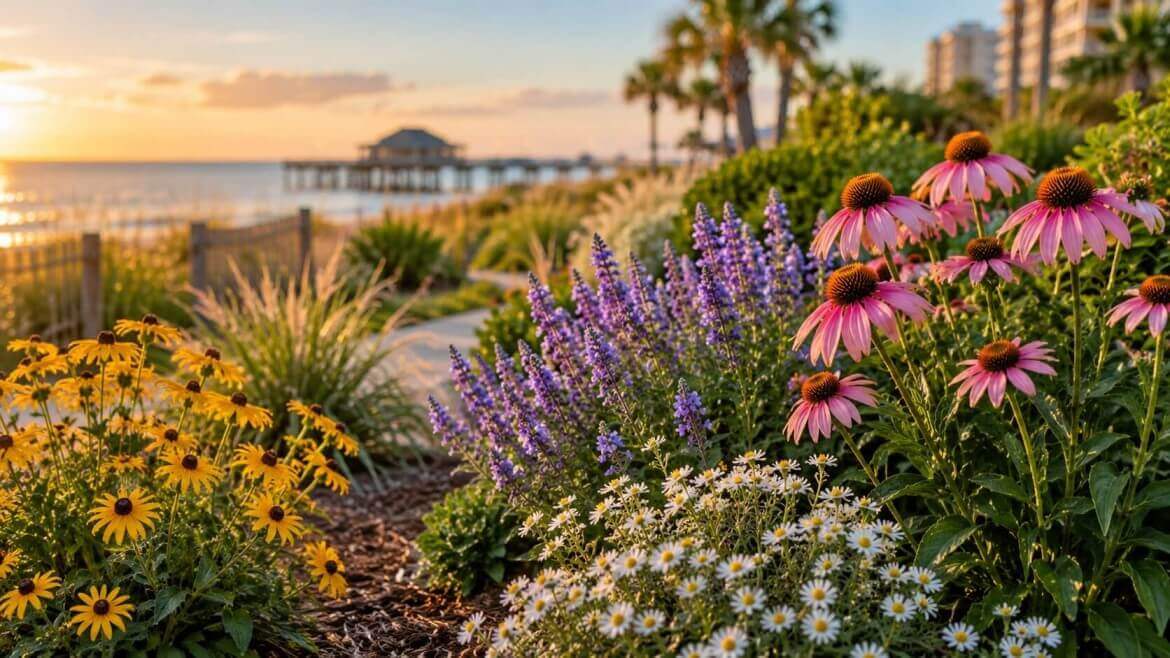
Making a landscape that really works starts with picking plants that kinda “fit” your local scene. Native options usually need less fuss; they sort of settle in faster, and they handle the local weather better, like the heat, humidity, and those weird sudden shifts. Also, if you plan the yard in a smarter, calmer way, you tend to get longer-lasting looks too, and you won’t be out there constantly chasing extra watering, or adding fertilizers, or all that kind of extra effort.
Why Choose Native Plants?
Choosing native plants for Myrtle Beach is one of those things that feels easy up front, but it ends up paying you back fast. These plants have already faced the coastal climate, so they’re tougher around hot spells, salt air, and the constant humidity. They also help the local “living web," supporting birds, pollinators, and helpful insects, while your garden still stays good-looking.
Best Native Plants for Your Beach Yard
1. Eastern Purple Coneflower
The Eastern Purple Coneflower is one of the best plants for Myrtle Beach because it doesn’t mind dry stretches much, and it keeps pushing out bold purple blooms through summer. The nectar-packed flowers are basically a magnet for bees and butterflies, so it’s a strong pick if you’re aiming for pollinator-friendly gardening. Plus, it’s a tough perennial that usually doesn’t demand a ton of babysitting.
2. Black-Eyed Susan
Black-eyed Susan, with those sunny yellow petals and darker centers, gives a yard that “it’s alive” feeling. As one of the Myrtle Beach native plants that people love, it works best in full sun, and it handles dry conditions without fuss. You get seasonal color that keeps showing up, and it helps encourage beneficial pollinators to stop by.
3. Coral Honeysuckle
Coral honeysuckle is a climbing vine that people notice fast, for the tubular red blooms and how smoothly it grows. It’s up there among the most rewarding South Carolina native plants because it brings in hummingbirds and can manage coastal conditions pretty well. Also, the vine is handy as a natural screen along fences, trellises, and similar structures.
4. Sweetgrass
Sweetgrass has this kind of gentle, elegant vibe, and it comes with cultural roots across the coastal area. Many folks add it to their favorite native landscaping plants because it grows in sandy ground without needing nonstop care. The soft texture adds a quiet movement, even when everything else seems steady.
5. Inkberry Holly
Inkberry Holly is an evergreen shrub that keeps showing up all year, with deep green foliage that still looks sharp. If you’re searching for dependable shrubs, some gardeners end up checking flower shops in Myrtle Beach for plants that match the job. This one also gives birds a place to rest, and it stays lush while the seasons turn.
6. Beautyberry
Beautyberry forms clusters of eye-catching purple berries that hang around and still look great going into autumn. Pairing it with a good local florist can make it easier to blend it with other flowering plants , so the whole yard feels more balanced. And yes, birds will use it as a seasonal food source, so it’s not just a pretty sight.
7. Muhly Grass
Muhly Grass brings dramatic pink plumes during autumn, giving the landscape this light, airy kind of feel. It’s a solid choice for backyard landscaping in Myrtle Beach since it handles coastal winds and sandy soils really well. The shape also stays graceful, adding texture without going wild.
8. Carolina Jessamine
Carolina Jessamine comes with fragrant yellow blossoms that pop up in late winter and then again in early spring. Its climbing habit makes it perfect for covering arbors, fences, or walls while still delivering seasonal color. This vine usually prefers sunny spots with well-drained soil, too.
9. Southern Wax Myrtle
Southern Wax Myrtle grows fairly fast, stays evergreen, and gets loved for fragrant foliage plus solid adaptability. People who want steady landscaping picks often turn to King's Flowers for quality plants and clear help. This shrub supports wildlife, adds privacy, and keeps looking attractive through every part of the year.
Benefits of Planting Native Species
Native plantings save water, cut down the need for heavy chemical use, and naturally help reduce a lot of common pest problems. They also improve biodiversity by giving local animals food and shelter. When you choose plants that are adapted to the region, you usually end up with healthier gardens that stay pretty with less ongoing upkeep.
Conclusion
When you design a yard around regionally suited plants, you’re often picking lasting beauty, stronger ecosystems, and easier maintenance year-round. Whether you’re refreshing a small corner or rebuilding the whole landscape, going local is a practical investment. Order premium plants and floral selections from Kings Flowers and build a vibrant outdoor space with more confidence.
FAQs
Q. Which native plants grow best in Myrtle Beach?
A. Eastern Purple Coneflower, Black-Eyed Susan, Sweetgrass, and Southern Wax Myrtle usually do especially well.
Q. Which native plants attract butterflies?
A. Eastern Purple Coneflower and Black-Eyed Susan are both strong butterfly-friendly choices.
Q. What plants grow in sandy soil?
A. Sweetgrass and muhly grass naturally thrive in sandy coastal conditions.
Q. Which native plants bloom all year?
No native plants bloom non-stop all year, though evergreen shrubs provide consistent structure and visual interest.


| Hours | : |
Minutes | : |
Seconds |